New research from McKinsey maps the expanding mandate of today's COO and finds the role is changing faster than most boards can keep up with.

Key Takeaways
The chief operating officer was once a role defined by process mastery and organizational stability. Today, it is something far more consequential. A McKinsey survey of 340 senior operations leaders published this spring found that 72% of COOs now hold direct ownership of at least one major technology transformation initiative, a figure that has nearly doubled since 2022. The operational leader has become, in practice, one of the most powerful agents of strategic change in the modern enterprise.
This shift is not accidental. Boards and CEOs are routing technology risk, supply chain resilience, and AI governance to the one executive who combines process authority with cross-functional reach. The result is a role that is simultaneously broader and more technically demanding than it has ever been, arriving at a moment when the pipeline of leaders prepared to fill it is, by most accounts, thin.
For much of the past two decades, the COO existed primarily to translate CEO vision into operational reality. That division of labor is eroding. McKinsey's research identifies three forces driving the change: the acceleration of AI deployment into core business processes, the fragility exposed in global supply chains since 2020, and investor pressure for operational transparency that goes well beyond quarterly earnings calls. Each force has pushed strategic decision-making further into the operations function rather than limiting it to the C-suite tier above.
The data bears this out. COOs at S&P 500 companies now attend 34% more board meetings on average than they did five years ago. In sectors including financial services, healthcare, and advanced manufacturing, operations leaders regularly present directly to audit and risk committees, not as a supporting voice, but as the primary authority on enterprise-level operational risk.
"The old model had the COO running the engine room while the CEO navigated. That is simply not sufficient anymore. Our board expects me to be a strategic partner on every major initiative, from AI deployment to climate risk, before the business case even reaches the CEO." Jennifer Marchand, Chief Operating Officer, Stellar Financial Group
Perhaps the most decisive shift in the modern COO's mandate is the normalization of technology ownership. Forty-three percent of COOs surveyed by McKinsey now hold formal accountability for enterprise AI governance, a responsibility that barely registered in the same survey three years ago. This is not a temporary delegation driven by CTO vacancies. It reflects a structural judgment by boards that operational consequence, not technical architecture, is the primary lens through which AI risk should be managed.
The implications for skill requirements are significant. Three attributes now consistently appear in COO job postings at organizations with revenues above $1 billion, according to a separate analysis by Russell Reynolds Associates:
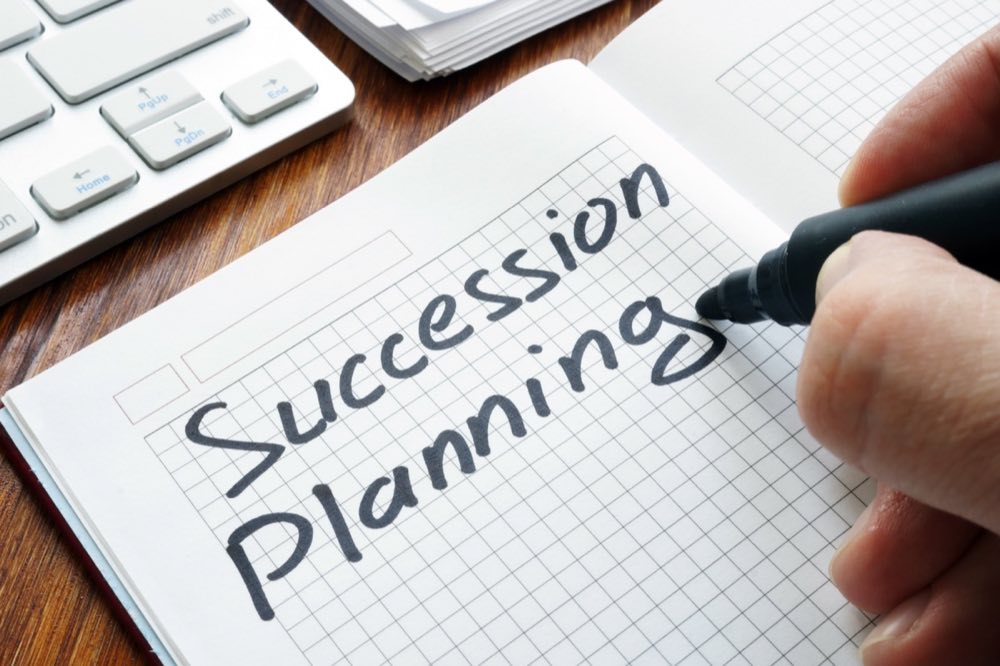
Despite the expanded mandate, COO succession planning remains a weak point at most large organizations. McKinsey's research found that fewer than one in three S&P 500 companies have a formally identified COO successor. Average COO tenure has fallen from 5.1 years to 3.4 years over the past decade, a compression that reflects not dissatisfaction with individual leaders but the structural mismatch between role complexity and the preparation organizations invest in before making the appointment.
The companies outperforming their sectors on operational efficiency share a common practice: they treat COO development as an executive program, not a promotion decision. That means rotating high-potential operations leaders through technology, finance, and external stakeholder functions years before they are ready to step into the role. It means creating explicit ownership of AI governance at the VP level so that the skills are present before they are urgently needed. And it means updating the COO job description every 18 months, not every five years, to reflect the actual demands boards are placing on the position. The modern COO is a strategic architect. The organizations that recognize this early will have a substantial and compounding advantage over those that discover it late.
As AI automates the work that once developed junior leaders, organisations are discovering a troubling gap in their management bench.

A landmark study of 1,200 operations managers identifies five habits that consistently predict team performance and challenge conventional wisdom.

Most digital transformation programs hit a wall in their second year. New research reveals why, and what leading operations teams do differently.
